

Antibiotic Resistant UTIs: What They Are and How to Lower Your Risk
Urinary tract infections are among the most common infections people face, and women carry most of the burden. About half of all women will experience an UTI in their lifetime, and many will go through more than one. For decades, antibiotics have cleared these infections quickly and reliably. Antibiotic resistance is beginning to change that. Understanding how an antibiotic-resistant UTI develops can help you protect your health and ask the right questions at your next appointment.
What Antibiotic Resistance Really Means
Antibiotic resistance happens when bacteria change so that the medicines that once destroyed them no longer work. An important point often gets missed here. Your body does not become resistant, the bacteria do. As antibiotics are used over time, the bacteria they target can adapt and survive. The medicine clears the weaker bacteria but can leave the tougher, resistant ones behind.
When that happens, once-routine infections become harder to treat, and healthcare providers are left with fewer effective options to choose from.
Antibiotic Resistant UTIs Explained
An UTI is an infection in the urethra, bladder, or kidneys. Most are caused by Escherichia coli (E. coli). An antibiotic-resistant UTI, sometimes described as a bladder infection that resists antibiotics, is one that does not clear after treatment with the medicines normally used.
Some resistant strains of E. coli go a step further, producing enzymes that break down certain antibiotics so the medicine cannot do its job. The infection then lingers or returns once treatment stops.
Why Resistance Develops
Resistant bacteria usually build up gradually and two factors drive the problem. These two factors are overuse and misuse of antibiotics. Overuse means taking antibiotics when they are not actually needed, and misuse means cutting a course short or skipping doses. Both hand bacteria the opening they need to adapt and survive.
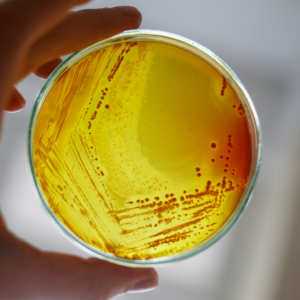
How Long Antibiotics Take to Work
With most UTIs, symptoms begin to ease within a day or two of starting antibiotics. Feeling better, though, is not the same as being cured. If the bacteria are resistant, the medicine may knock back some of them while the resistant ones hold on, which can make it look as though your antibiotics are not working. If your symptoms do not clearly improve, come back, or worsen, contact your healthcare provider rather than waiting it out.
What Happens If an UTI Is Resistant
There is reassuring news here. Resistant UTIs can usually still be treated. Your provider may order a urine test to identify exactly which bacteria are involved and which medicines will work against them, then move you to a more effective antibiotic. More serious cases may call for a stronger antibiotic, occasionally given in a hospital setting. Left untreated, an UTI can spread to the kidneys or the bloodstream, which is why timely follow-up matters so much.
How to Lower Your Risk
A few straightforward habits support urinary health and help slow resistance at the same time. Staying well hydrated helps flush the urinary tract, and good genital hygiene matters too. When it comes to medicine, the goal is responsible, or smart, antibiotic use. Take antibiotics only when a provider confirms you need them, and always finish the full course exactly as directed. One question can carry real weight at any appointment: whether you truly need the antibiotic being considered.
Reducing unnecessary use is one of the most powerful ways to keep these medicines working.
A New Approach to Recurrent UTIs
Antibiotic-resistant UTIs, the infections that no longer respond to the usual medicines, are becoming more common, and recurrent UTIs call for more than treating each one as it arrives. Prevention and smart antibiotic use, taken together, can make a real difference. Staying hydrated, practicing good hygiene, and reserving antibiotics for when they are truly needed all help protect both your urinary health and the medicines you may rely on later.
This is also where a prevention-focused option can fit in. Femistina Plus is a Health Canada licensed natural health product (NPN 80096665) developed to help prevent recurrent UTIs and support urinary tract health. Its dual capsule system works across the day and overnight, pairing botanical urinary support with D-mannose. Femistina Plus is designed to sit alongside good medical care as part of a strategy to reduce reliance on repeated antibiotics, rather than to replace the treatment your provider recommends.
If recurrent UTIs are a pattern for you, talk with your healthcare provider about a prevention plan that fits your needs.
References
Cleveland Clinic: Antibiotic Resistance: What Is It, Complications & Treatment
PubMed Central: Update on Urinary Tract Infection Antibiotic Resistance—A Retrospective Study in Females in Conjunction With Clinical Data
Scientific American: Antibiotic-Resistant UTIs Are Common, and Other Infections May Soon Be Resistant, Too
RACGP: Urinary Superbugs: Are We Going About It Wrong?
Nature: Current and Emerging Strategies to Curb Antibiotic-Resistant Urinary Tract Infections