
Birch Tree Basics
Few trees are easier to identify than the birch. Its pale bark peels away in papery sheets and stands out against almost any forest. Behind that familiar look is a tree with a long record in traditional medicine and a narrow, well-defined role in modern healthcare products. Here is a clear look at what birch is and how people have used it.
What Is a Birch Tree?
Birch is a thin-leaved deciduous hardwood, which simply means it drops its leaves each autumn. It belongs to the plant family Betulaceae, a group that also includes alders, hazels, and hornbeams.
Most birches are small to medium-sized trees or shrubs. They grow quickly and are widespread across northern temperate and boreal climates.
Botanists classify them as pioneer species, among the first trees to move into open ground after a fire or a clearing, and that hardiness makes birch useful in reforestation and erosion control.
Bark, Leaves, and Birch Tree Branches
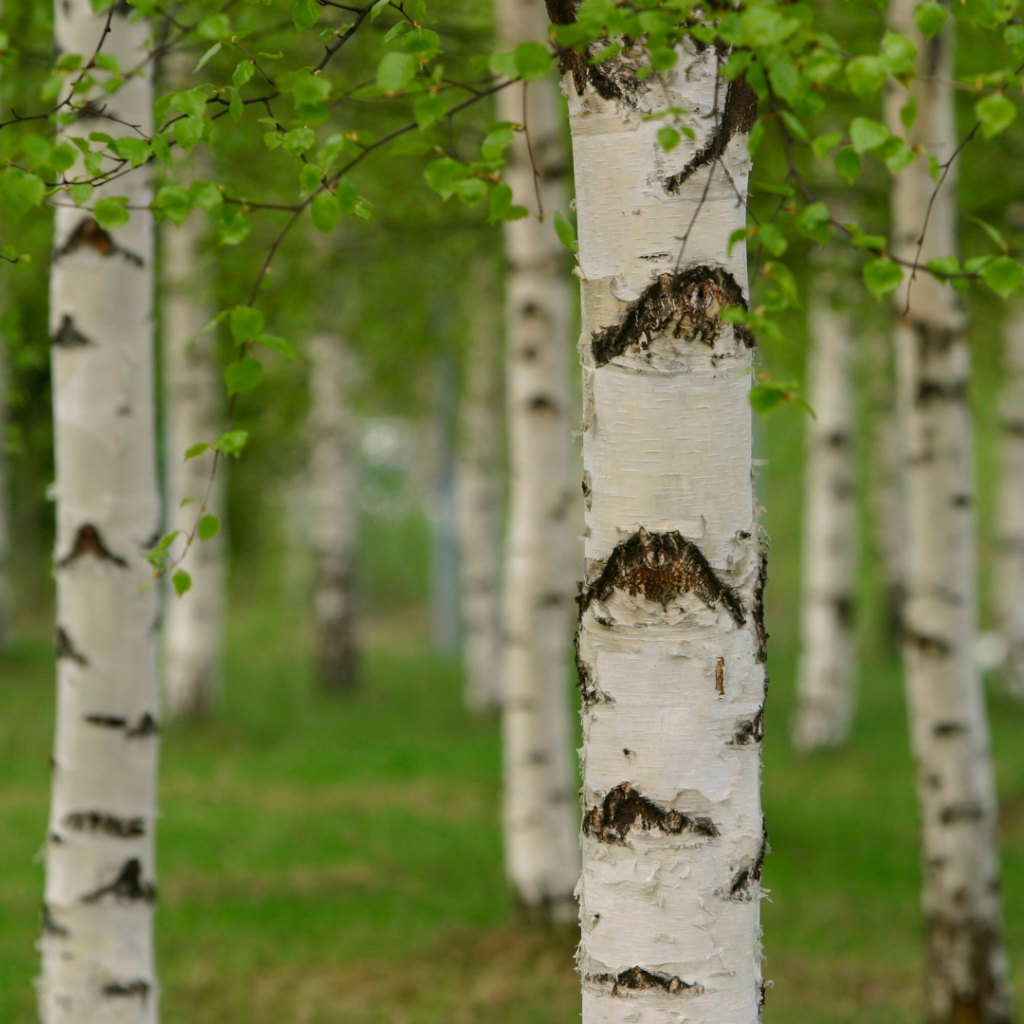
Birch bark is smooth and resinous, with long horizontal pores called lenticels. On young trees it peels away in thin, papery sheets. On older trunks the thick bark breaks into irregular plates.
The bark colour is where many species get their common names: white, gray, black, silver, and yellow birch.
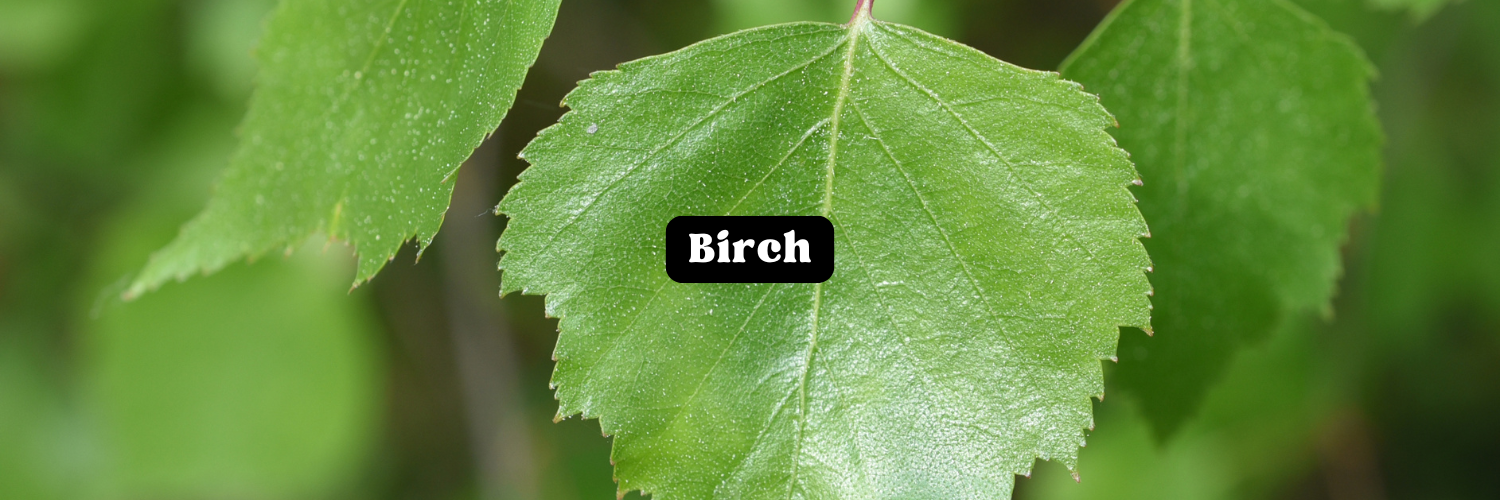
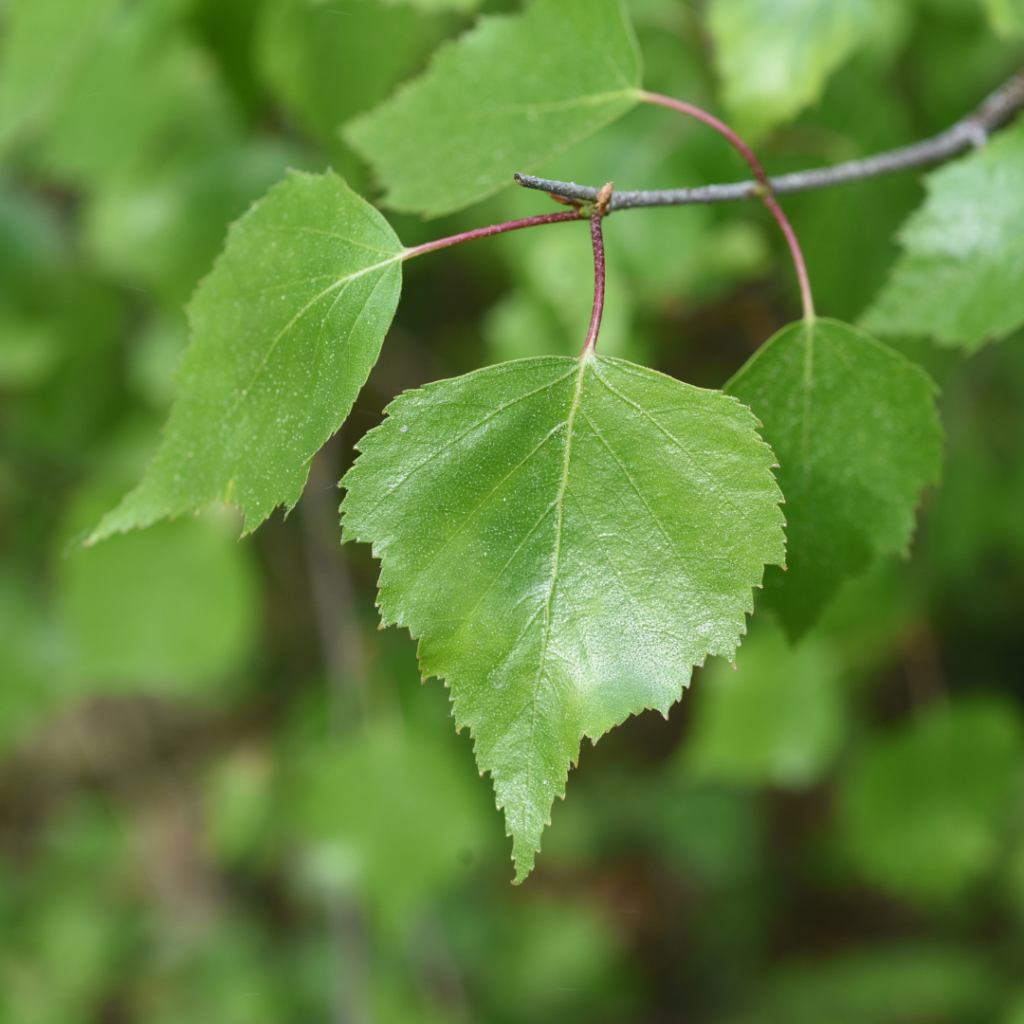
The leaves are simple and toothed along the edges. They are bright green and turn yellow in autumn. Birch tree branches are short and slender on a young tree, forming a narrow, pyramidal crown. On older trees they grow more horizontal and often droop.
Inside the Birch Tree Genus
Every true birch belongs to the genus Betula, a name that originates from Latin. Estimates of its size vary, from about 40 species to 30 to 60 known taxa. Either way, the birch genus is the largest in the birch family.
Common Birch Species
Well-known species include silver birch (Betula pendula), downy birch (Betula pubescens), paper birch (Betula papyrifera), and yellow birch (Betula alleghaniensis), the official tree of Quebec. Common names overlap enough that the taxonomic name is always worth checking. European white birch is usually called silver birch in England, though that name is sometimes given to paper birch as well.
Birch in Medicine: Tradition and Evidence
Birch has a documented place in traditional medicine and one narrow role in approved modern treatment.
Traditional Uses of Birch Bark and Sap
Over centuries, North American Indigenous peoples used birch bark in traditional medicine, applying it directly to the skin for superficial wounds. In the 16th century, splints made from birch bark were used as casts for broken limbs. Birch tar from the bark has medicinal uses, and birch sap is made into syrup.
Modern Approved Use
In the European Union, a prescription gel containing birch bark extract was approved in 2016 for the topical treatment of minor skin wounds in adults. How it works is not fully understood, though the extract appears to encourage the growth of the skin cells that fill the wound. Preliminary research points to betulin and possibly other plant compounds called triterpenes.
Birch in Urinary Health Support
Birch also appears in licensed natural health products. Femistina Plus, licensed by Health Canada as a natural health product (NPN 80096665), includes birch in its day capsule alongside other botanical ingredients. Birch prevents bacteria from entering bladder cells and promotes their removal with its antimicrobial properties. The day and night system supports urinary tract health and helps prevent recurrent urinary tract infections (UTIs), a prevention-first approach for the women who deal with repeated infections.
The Bottom Line
Birch is a fast-growing, widespread tree with a long record of traditional use and a place in modern natural health formulations. From skin health to flushing out bacteria in the urinary system, the benefits of birch continue to be the focus of research across the world. As always, if you are considering any birch-containing product, talk with your doctor, pharmacist, or another healthcare professional.
References
Wikipedia: Birch
Britannica: Birch
Trees for Life: Birch Mythology and Folklore