
Cranberry PAC Explained
The fruit cranberry has a long-standing reputation for urinary health. Walk through any pharmacy aisle and you will find cranberry pills, capsules, and juices sold for urinary tract support. These products are not equal, and the difference comes down to one compound: cranberry proanthocyanidins or cranberry PAC.
For women who live with frequent urinary tract infections (UTIs), understanding PACs makes label reading straightforward and conversations with a healthcare provider more productive.
What Are Cranberry PACs?
PAC is short for proanthocyanidins, natural plant compounds in the flavanol family of polyphenols. Many fruits and vegetables contain PACs. The PACs in cranberries have a different structure from the ones found in other foods.
That structure matters. It is linked to what researchers call anti-adhesion properties. Adhesion means sticking, and cranberry PACs help stop certain harmful bacteria from sticking to cell walls.
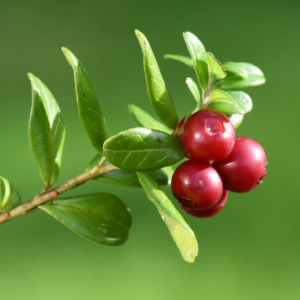
Cranberry (Vaccinium macrocarpon) contains many natural compounds, but PACs are the ones that are important for helping prevent UTIs. This is why cranberry PAC is described as the active part of the fruit for urinary health.
How Cranberry PAC Supports the Urinary Tract
E. coli is the bacteria behind the large majority of urinary tract infections. To cause an infection, it first needs to cling to the wall of the bladder. Cranberry PACs bind to E. coli and help stop it from attaching.
Bacteria that cannot hold on have a harder time settling in. This is why cranberry pills for urinary tract support are popular. In Canada, some urinary tract infection cranberry pills are licensed for use in herbal medicine to help prevent UTIs.
Prevention, Not Treatment
There is an important limit here. Cranberry PACs do not kill bacteria that have already attached to the bladder wall, so cranberry juice and supplements will not resolve an infection that has already started.
When it comes to bladder infection and cranberry pills, think prevention rather than cure. If you have symptoms of a bladder or kidney infection, contact your healthcare provider instead of relying on cranberry supplements for bladder infection relief.
Do All Cranberry Supplements Have PACs?
All cranberries contain PACs naturally. The amount varies widely from one product to the next. Some juices hold only a small share of real cranberry mixed with water, and some supplements contain no pure cranberry at all.
Two products sold as a cranberry supplement or cranberry food supplement can therefore deliver very different amounts of PACs.
To close that gap, some manufacturers standardize their cranberry extract or powder. Certain full spectrum cranberry powders are standardized to at least 7.2% PAC content, counting both soluble and insoluble PACs.
What to Look for on the Label
When comparing cranberry capsules for UTI or cranberry tablets for UTI, four details tell you most of what you need to know.
- A stated PAC amount: Some products are standardized to 36 mg of PACs in a single daily capsule.
- Enough pure cranberry: Studies indicate supplements should provide at least 500 mg of pure cranberry per day.
- Third party testing: Some brands verify the PAC content of every batch using methods such as DMAC/A2.
- An NPN: In Canada, an NPN on the label confirms the product has a Health Canada license as a Natural Health Product.
Safety Tips Before Taking Cranberry Pills
Cranberry pills are available over the counter, which does not make them right for everyone.
The most common side effects are diarrhea and upset stomach. Rarely, cranberry causes a serious allergic reaction, with signs such as trouble breathing, hives, or swelling of the face or throat. Stop taking it and seek care right away if that happens.
Speak with your healthcare provider before using cranberry if you:
- Have had kidney stones, since cranberry may raise the risk of certain types
- Take warfarin, a blood thinner, or any other medication
- Are pregnant or breastfeeding, since the effects are not known
The Bottom Line on Cranberry PAC
Cranberry PAC is the compound behind the anti-adhesion effect of cranberry. It may help prevent new UTIs in people who get them often, and it does not treat an active infection.
Because PAC levels vary so widely, look for cranberry pills for UTI that list their PAC content clearly and provide enough pure cranberry.
Cranberry is not the only way to target bacterial adhesion. Femistina Plus (NPN 80096665) takes a different route, pairing a botanical day capsule with a D-mannose night capsule to help prevent recurrent UTIs. Speak with your healthcare provider to build a prevention plan for recurrent UTIs.
References
Utiva: UTI Control with Cranberry PACs
Cranberry Institute: What Are Proanthocyanidins (PACs)?
CathetersPLUS: UTI Control 36PAC Cranberry Pills Supplement, 30-Day
Fruit d’Or: Cranberry Powder with Guaranteed PAC Content
WebMD: Cranberry: Uses, Side Effects, Interactions, Pictures, Warnings & Dosing