

When to Take Berberine: Timing, Dosage, and Safety
Berberine has become one of the most talked-about natural compounds for blood sugar and weight support. Getting results, though, is not only about taking berberine. It is also about when to take berberine. Read on to find out what berberine is, what it may do, and how to space your doses safely.
What Berberine Is and How It Works
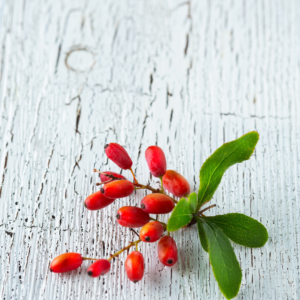
Berberine is a plant alkaloid, a natural compound found in plants such as barberry and goldenseal. It has a long history in traditional Chinese and Ayurvedic medicine. One of its main roles is to activate an enzyme called AMPK (AMP-activated protein kinase), which helps regulate how the body turns food into energy.
Berberine can also slow digestion and help cells respond better to insulin, the hormone that moves sugar out of the blood and into the cells.
When to Take Berberine for Best Results
The best time to take berberine is around mealtimes. Berberine has a short half-life, which means it does not stay in the body long. For that reason, product labels and studies often suggest splitting the dose and taking it two or three times a day, spread across meals.
Guidance on the exact timing of taking berberine varies. Because the advice differs, it is best to follow the directions on your product label and ask your healthcare provider what suits your needs.
How Much Berberine to Take
There is no single official dose, since berberine is sold as a supplement rather than a regulated medicine. Most studies use amounts in the range of about 900 to 2,000 mg per day, divided into three or four smaller doses. If you have a sensitive stomach, it may help to start with a lower dose and increase it slowly.
The quality of berberine supplements can vary, so it is important to choose supplements backed by clinical research and independent oversight.
Side Effects and Who Should Avoid Berberine
Berberine is generally well tolerated, but it can cause side effects. The most common ones affect digestion, such as gas, constipation, nausea, or diarrhea. Taking berberine with food may reduce these.
There are also clear times when berberine should be avoided. It is not recommended during pregnancy or breastfeeding, or for anyone under 18. Berberine can also interact with some medications, including certain blood-sugar drugs, blood thinners, statins, and others.
Because of these risks, always speak with your healthcare provider before starting berberine.
Berberine Beyond Blood Sugar: A Note on Urinary Health
Berberine’s most-studied uses involve blood sugar and weight, but the same plant compound appears in other areas of natural health. Berberine is naturally antimicrobial, which is why berberine-containing botanicals are used in formulations beyond metabolic support. Urinary tract health is one example.
Femistina Plus includes Berberis aristata, a natural source of berberine, in its daytime capsule as part of a structured day-and-night formulation. Femistina Plus is a natural health product licensed by Health Canada (NPN 80096665) that helps support urinary tract health and helps prevent recurrent urinary tract infections (UTIs). This formulation is built around prevention and long-term urinary health.
When to Take Berberine: The Bottom Line
For metabolic goals, most guidance points to splitting the dose across the day and taking it around meals, earlier rather than at night. If you are considering a berberine-containing product for urinary health instead, follow that product’s own label and directions. As always, it is recommended you speak to your healthcare professional before starting berberine or any new supplement.
References
Ohio State Health & Discovery: Does Berberine Really Help With Weight Loss?
American Association of Naturopathic Physicians: The Best Time to Take Berberine for Weight Loss and Blood Sugar
Examine: Berberine Benefits, Dosage, and Side Effects
Healthline: Berberine — A Powerful Supplement With Many Benefits