

D-Mannose
Recurrent urinary tract infections send many women searching for a proactive, natural option to add to their routine. D-mannose is one of the most widely discussed supplements for urinary health, and a growing body of research suggests it holds real promise. Read on to find out what d-mannose is, how it may support the urinary tract, and what the current science shows.
How D-Mannose Works
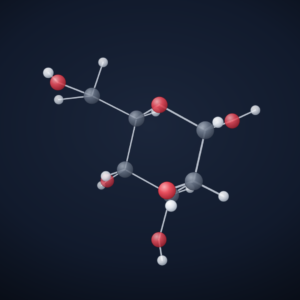
D-mannose is a simple sugar closely related to glucose. The body produces small amounts of it naturally, and it also occurs in everyday foods such as cranberries, apples, oranges, peaches, broccoli, and green beans.
Most UTIs are caused by E. coli (a common gut bacterium). These bacteria cause trouble by latching onto the bladder wall, where they multiply and lead to infection. This is where d-mannose comes in. After you take d-mannose, it passes through the kidneys and into the urine. There it can bind to E. coli and stop the bacteria from sticking to the bladder lining, so they are flushed away naturally in the urine rather than taking hold.
The Research on D-Mannose for UTIs
The research on d-mannose for UTIs is encouraging. Studies in women with recurrent infections have found that using d-mannose for prevention can meaningfully reduce how often UTIs return, with results in some trials comparable to a widely used preventive antibiotic. One clinical analysis of d-mannose for urinary tract infection care reported high symptom-improvement rates when d-mannose was used for an acute, uncomplicated infection, on par with antibiotic treatment and with few side effects.
For women tired of the cycle of repeat infections and bladder-infection worries, that is a hopeful signal. Researchers agree that larger studies will help further confirm the best uses, and the current evidence points to d-mannose as a promising, well-tolerated tool for urinary health.
Whether D-Mannose Can Clear a UTI
Many people wonder whether d-mannose can clear a UTI. Early research is encouraging, with several studies showing that d-mannose can help improve UTI symptoms, sometimes as effectively as antibiotics in mild, uncomplicated cases. Even so, d-mannose is a dietary supplement, not a cure, and every infection is different.
If you have UTI symptoms, such as burning when you urinate, an urgent or frequent need to go, or cloudy or unusual-smelling urine, check in with a healthcare provider. Getting the right care early keeps a simple infection from becoming a bigger problem, and your provider can help you use d-mannose safely as part of the plan.
How Much D-Mannose to Take Daily
Because d-mannose is a supplement, there is no single official dose, but research offers helpful guidance. For preventing frequent UTIs, studies have used about 2 grams once daily, or 1 gram twice daily. For an active infection, some research used 1.5 grams twice daily for three days, then once daily.
D-mannose comes as easy-to-take capsules or as a powder you dissolve in water, and the powder tends to have a mildly sweet taste. Many capsules are 500 mg, so you may need a few to reach these amounts. Always follow your product label and ask your healthcare provider what is right for you.
D-Mannose Side Effects and Safety
One of d-mannose’s main appeals is how well most people tolerate it. Side effects are usually mild, such as loose stools, and some people notice a burning sensation in the vagina. Because d-mannose is a form of sugar, talk with your doctor first if you have diabetes.
If you are wondering whether you can take d-mannose alongside antibiotics for a UTI, many people do use it with prescribed care. Do not stop or replace an antibiotic on your own. Share your full supplement list with your provider so they can guide you.
A Proactive Approach to Urinary Health
D-mannose is a natural, gentle, well-tolerated simple sugar with real promise for supporting urinary tract health, especially for women focused on preventing recurrent UTIs. The research is encouraging, and as a proactive daily habit, d-mannose can be a reassuring part of a broader urinary health plan. As always, talk with your healthcare provider before starting any new supplement.
References
WebMD: D-Mannose: Overview, Uses, Side Effects, Precautions, Interactions, Dosing and Reviews
PMC: Why D-Mannose May Be as Efficient as Antibiotics in the Treatment of Acute Uncomplicated Lower Urinary Tract Infections—Preliminary Considerations and Conclusions From a Non-Interventional Study
Amazon.ca: D-Mannose
Healthline: Can D-Mannose Treat or Prevent UTIs?
Avril: D-Mannose and Cranberry – UTI Prevention and Control | 50 g